
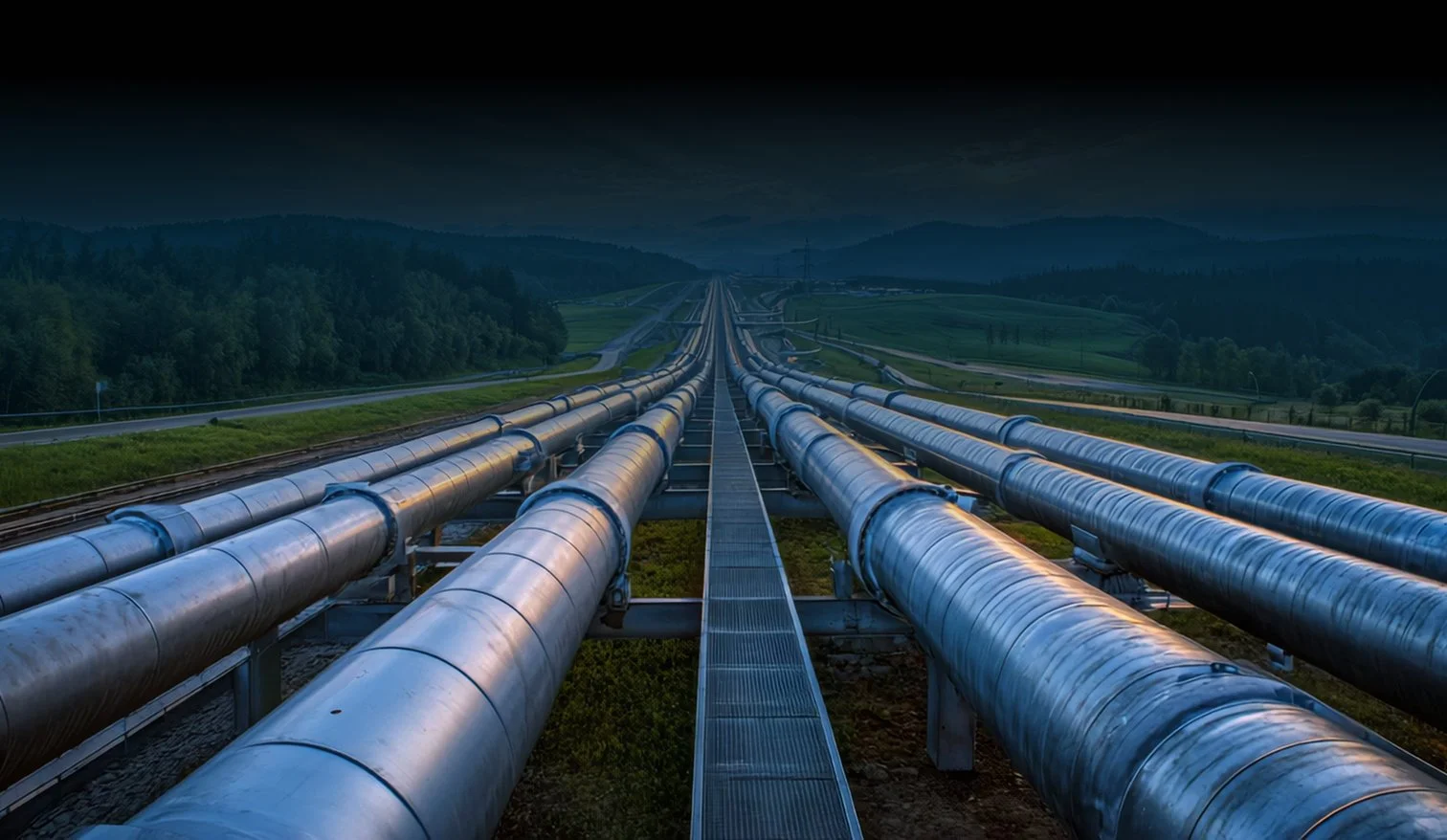

Efficient, economical solutions to mitigate methane emissions.
Good for the economy
Each year, roughly $4 billion of methane is lost in the United States—a natural resource that could be used to power and heat homes. Cutting methane waste curbs fuel costs while increasing the domestic supply of oil and natural gas.
WHY METHANE MATTERS
The quadruple-win of methane mitigation
Good for the job market
Experts believe smart policies surrounding methane mitigation have the capacity to create220,000 high-quality, U.S.-based jobs. The median wage within methane mitigation is $31 an hour—60% higher than the U.S. average.
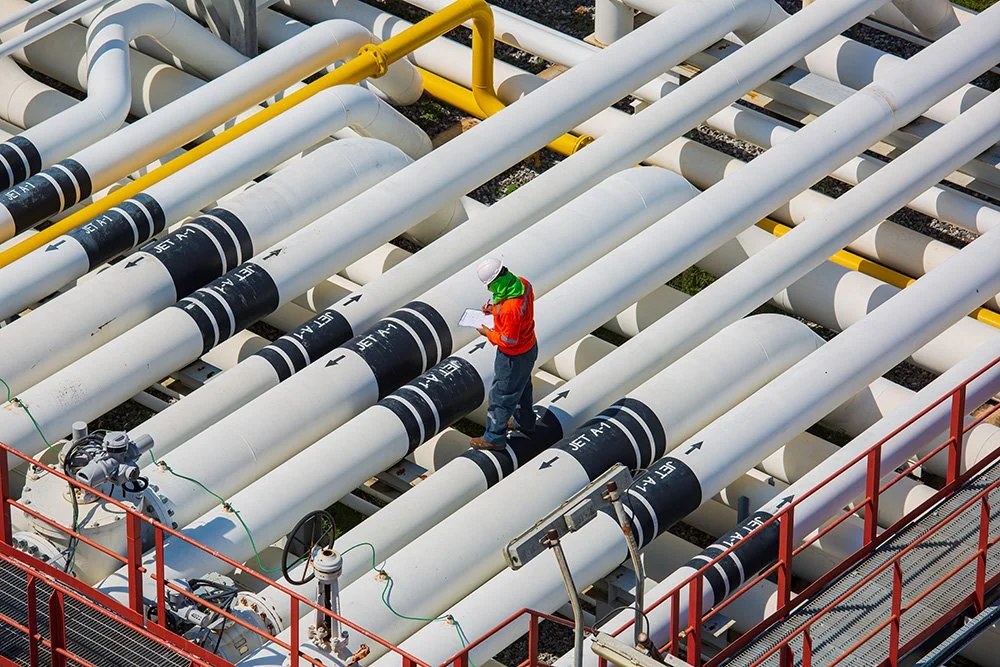
Good for energy security
Roughly 260 billion cubic meters of methane is lost each year globally—roughly 75% of which could be retained and brought to market. This could yield 9.8 trillion cubic feet of natural gas—more than 3X the amount of natural gas imported annually by the United States.
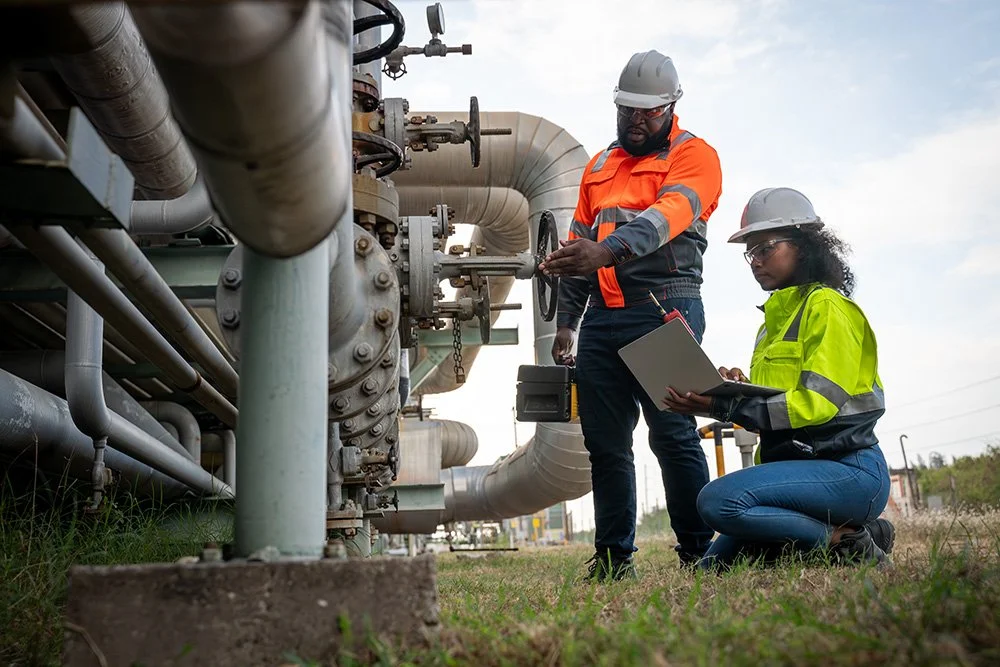
Good for our communities
Methane is a greenhouse gas 80X more potent than carbon dioxide. There are a wide range of cost-effective solutions available to detect and repair leaks quickly and efficiently, thereby safeguarding our communities.
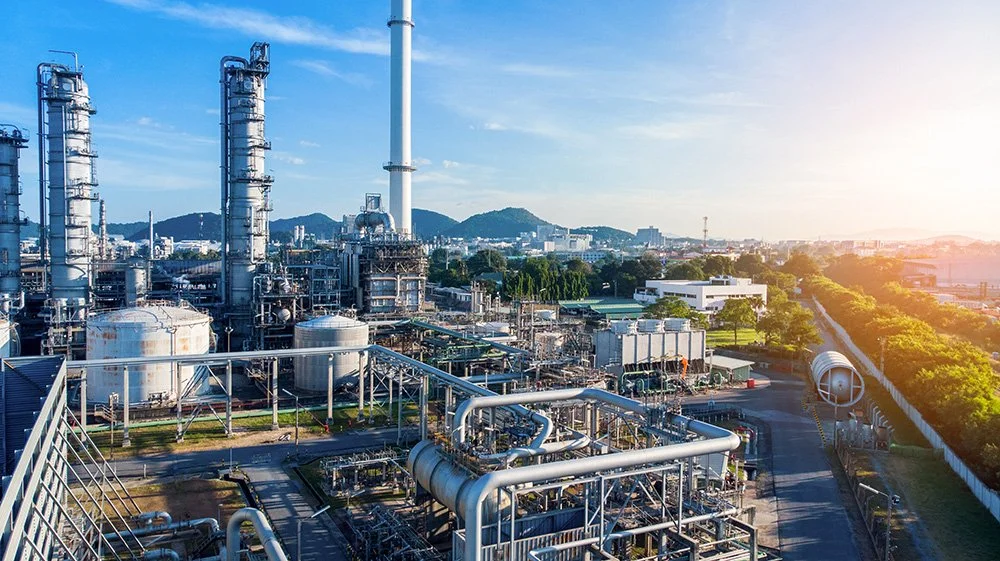
WHAT WE’RE LOSING
Each year, we waste $4.2 billion of natural gas due to:

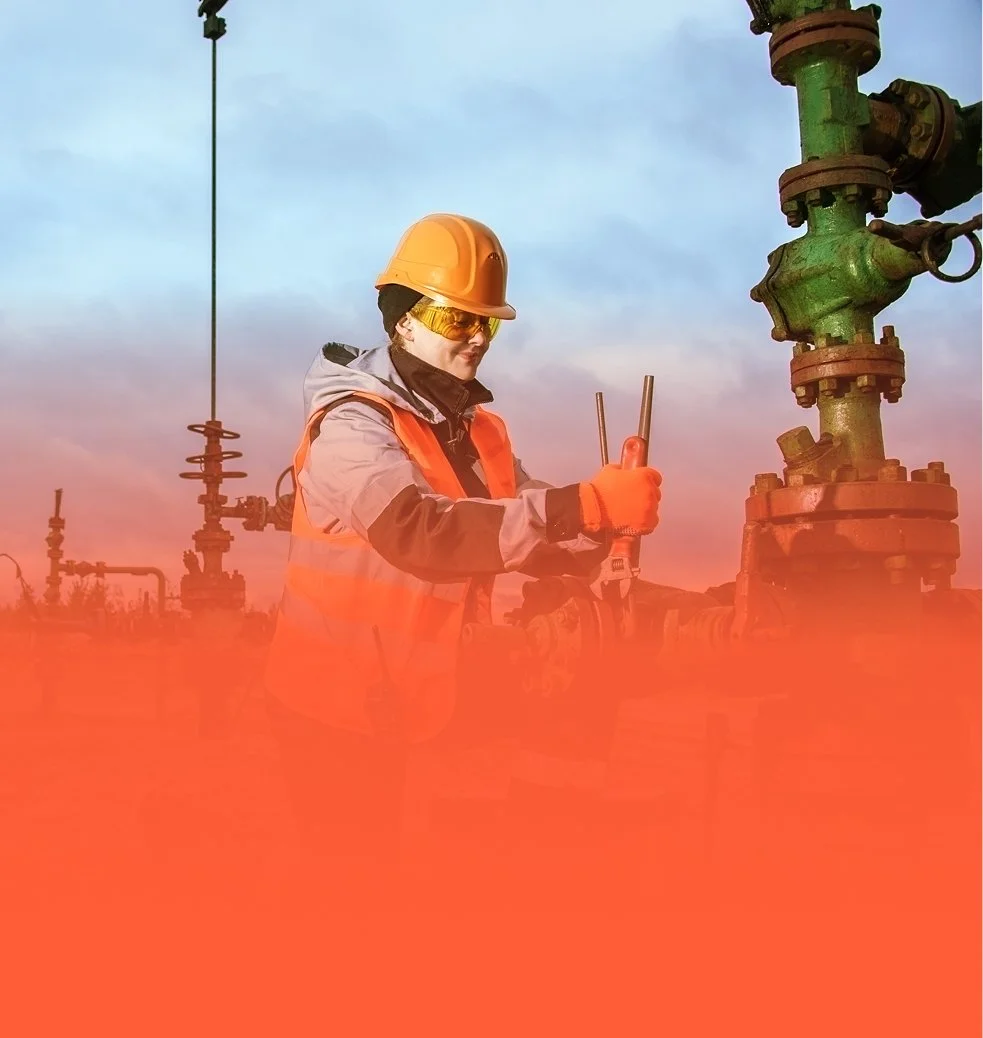
VENTING
64%
Venting is the intentional release of gas into the atmosphere, usually due to a lack of infrastructure.
FUGITIVE EMISSIONS
25%
Infrastructure issues—including leaks, broken valves, or improperly sealed equipment—result in roughly a fourth of methane emissions.
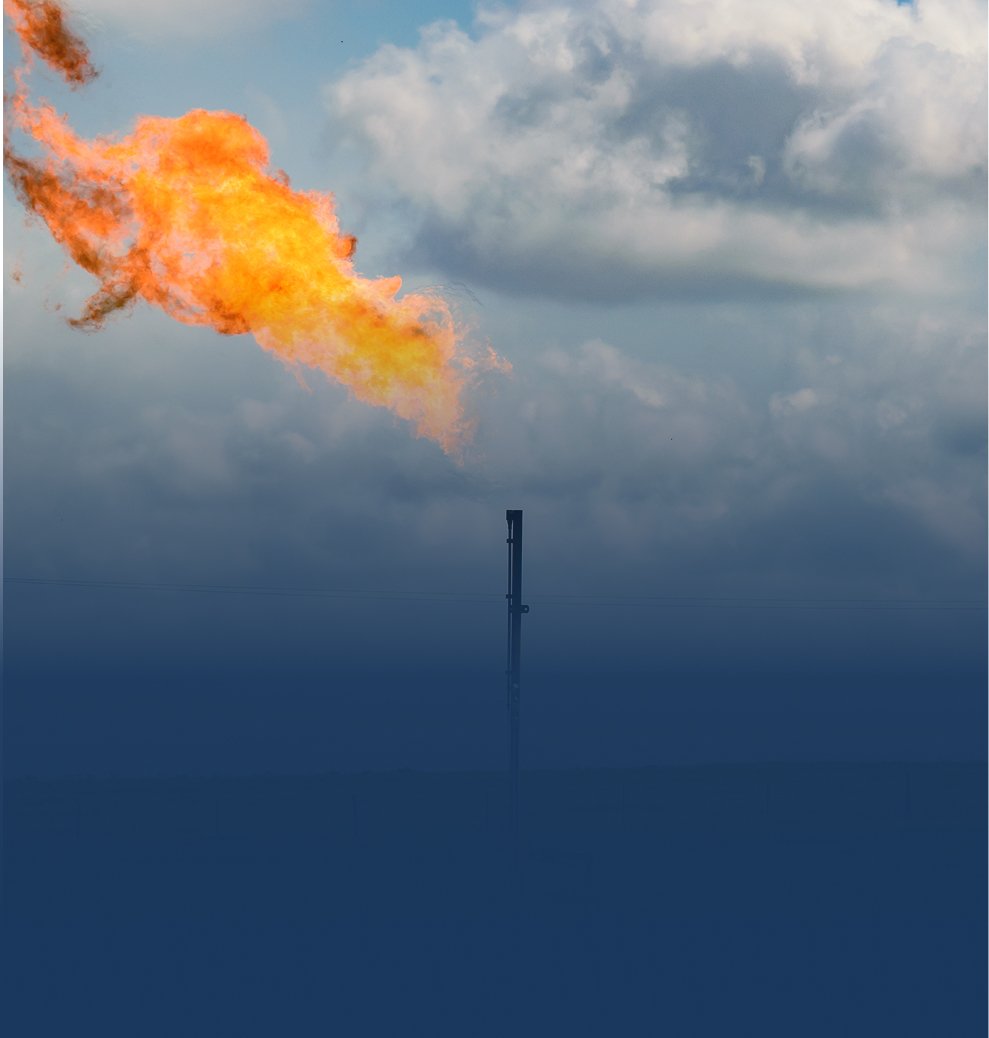
FLARING
11%
Infrastructure issues—including leaks, broken valves, or improperly sealed equipment—result in roughly a fourth of methane emissions.
WHAT WE’RE ADVOCATING FOR
Our goal: Advance common-sense policy.
Boost the economy
Through efficient, affordable solutions to mitigate methane leaks.
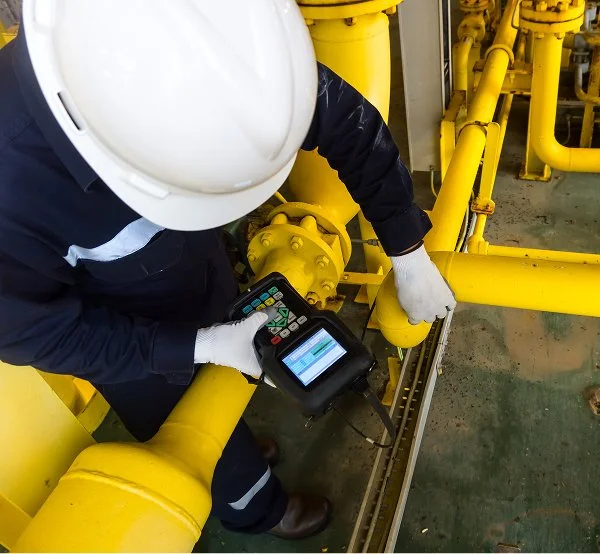
Educate the public
On what methane is and why it matters.
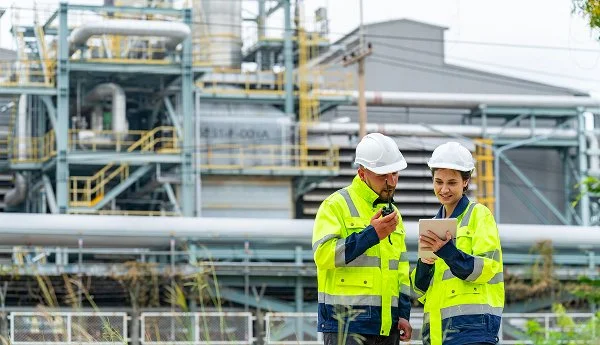
Advocate for smart policy
That benefits our economy, job market, and local communities.
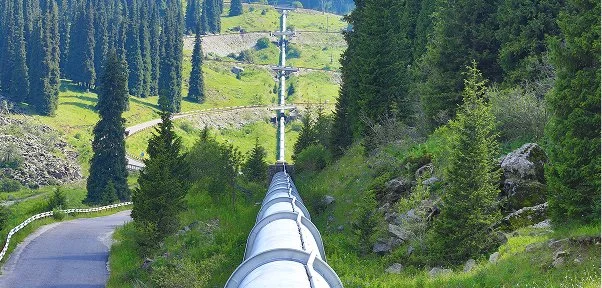
Advance innovative tech
Providing new solutions to a very old (and very solvable) problem.
Preserve natural resources
By reducing methane waste.
HOW WE CAN STOP IT
75% of methane emissions from oil and gas can be eliminated through existing technology.
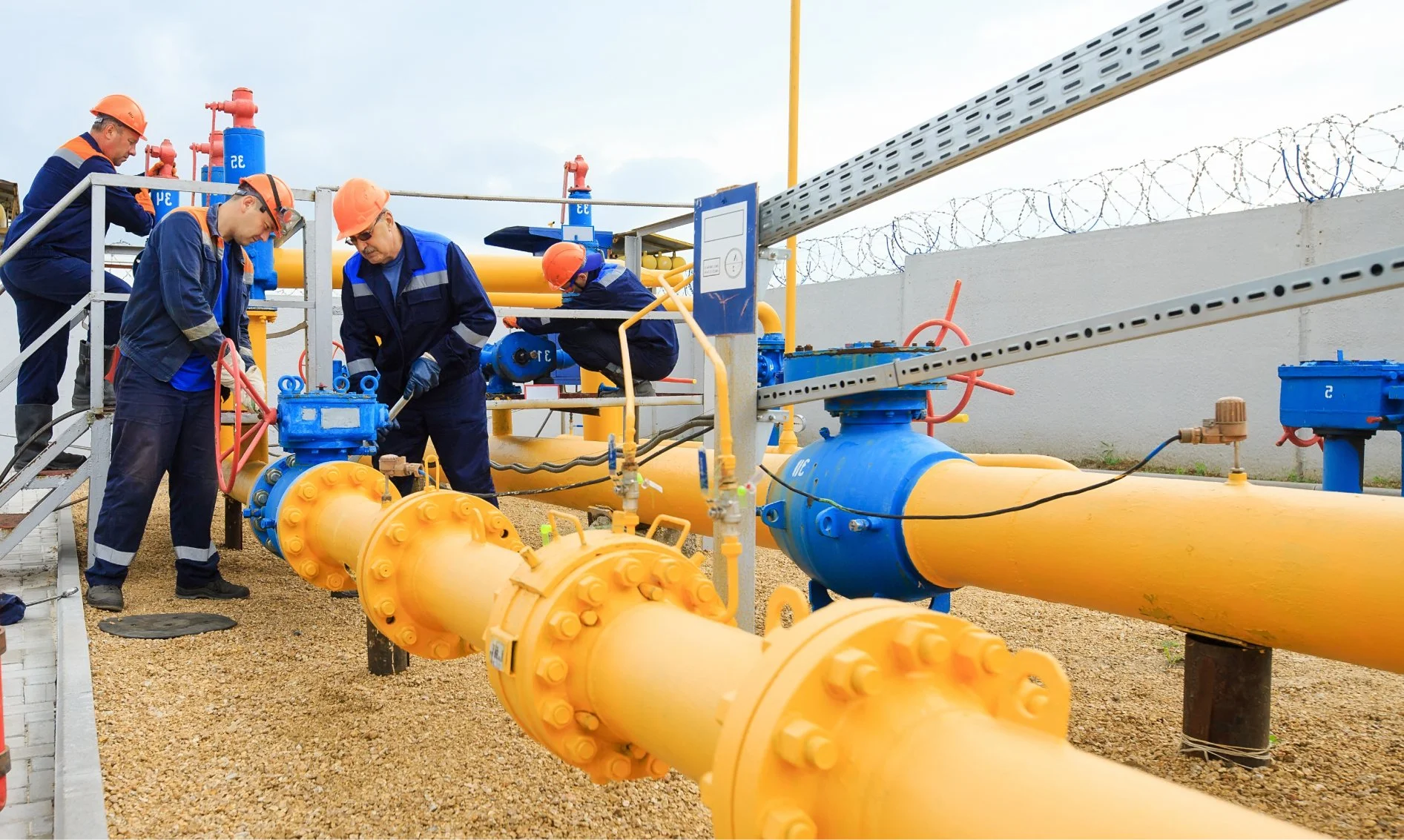
CMES works with some of the leading methane mitigation providers in the country. These companies build smart solutions that are:
-
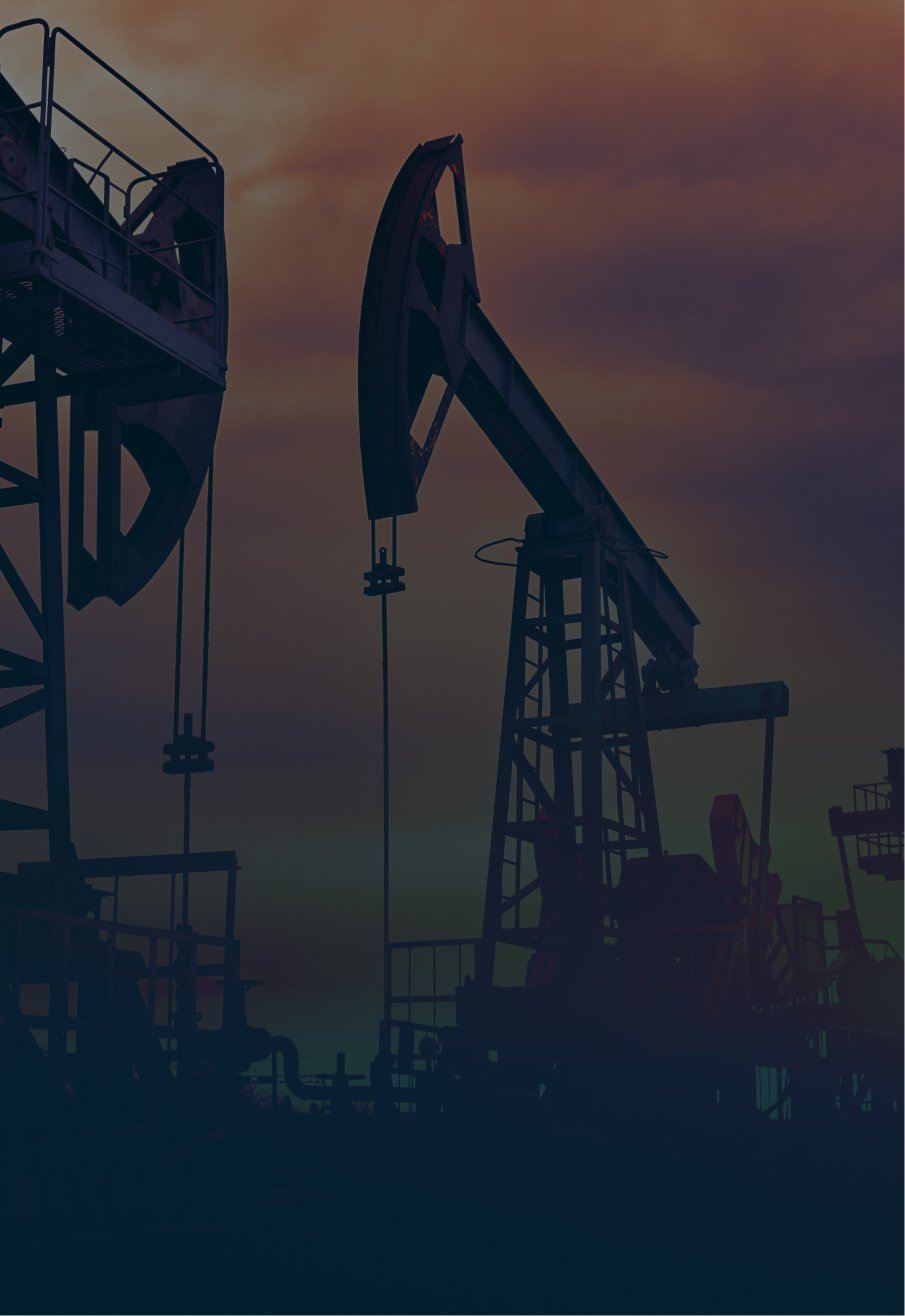
Affordable
We work with affordable providers, with costs starting at $300 for inspections and just $200–$300 for infrared cameras.
-
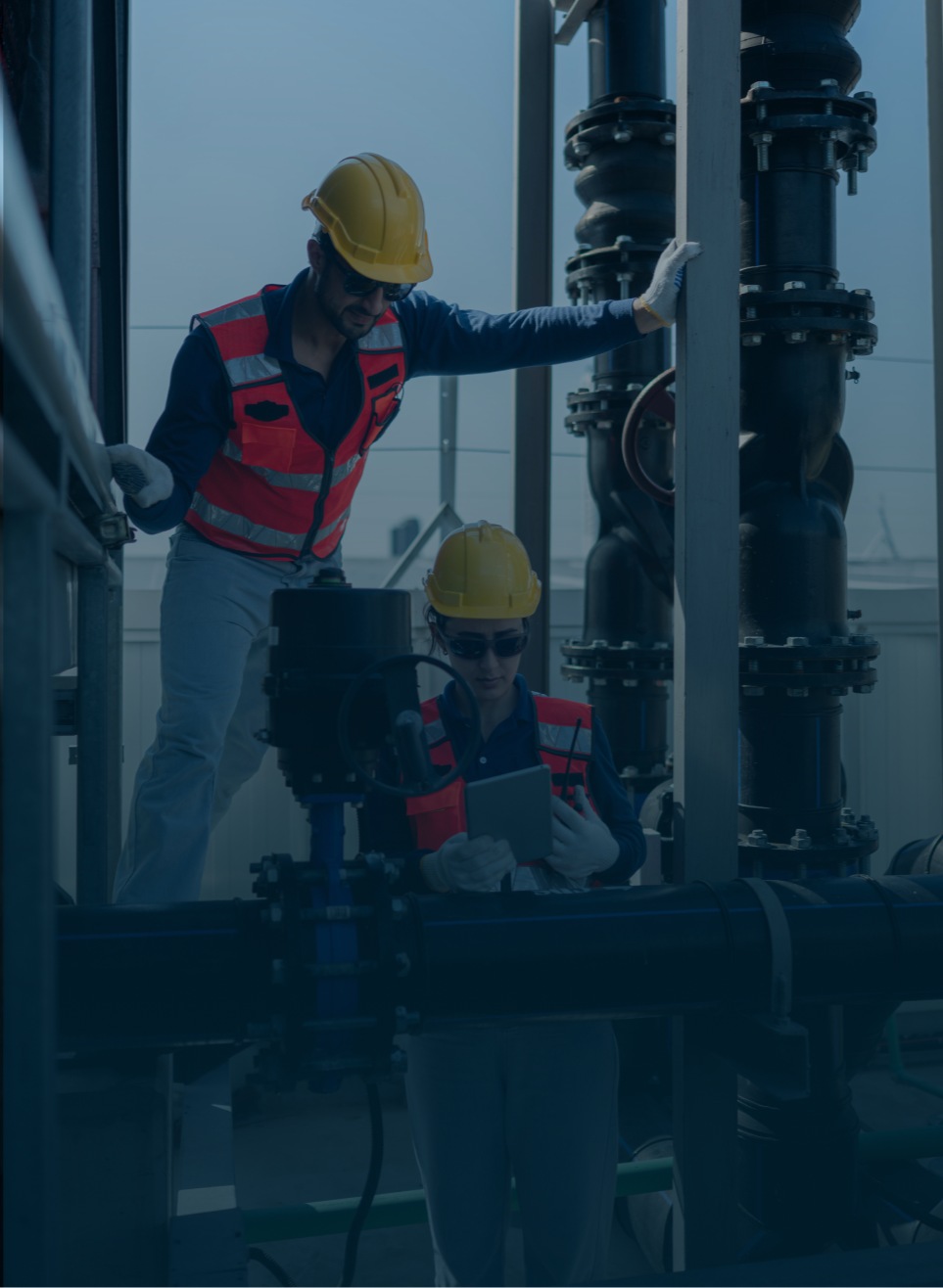
Efficient
Our member companies increase the efficiency of inspections and/or transform methane waste into usable energy—with some sporting a combustion efficiency rate of over 99.99%.
-
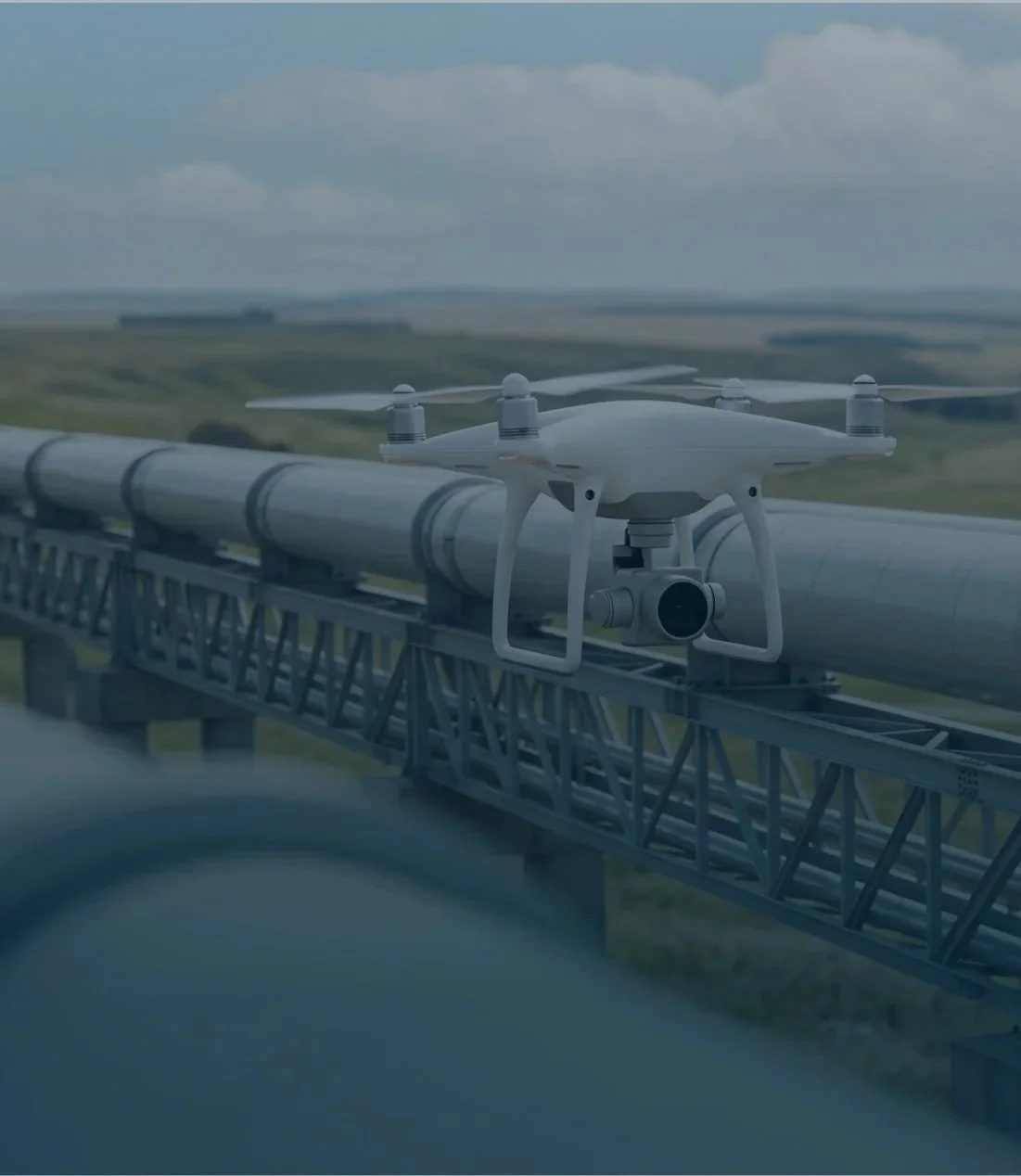
Innovative
There are a wide-range of providers available to make an immediate impact—from lasers, helicopters, drones, blips, infrared cameras, and everything in between.
What we know to be true
Cutting lies on cutting emissions.
-
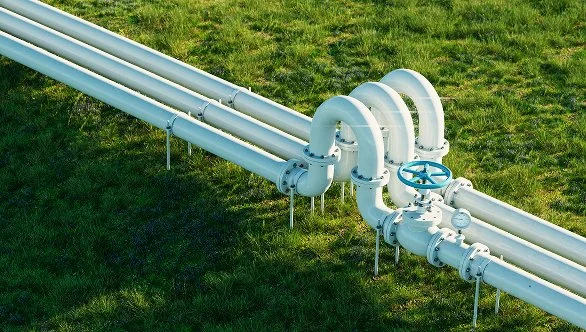
"Methane is a waste product."
### False
Methane is energy—a natural resource that should be used rather than going into the atmosphere. Methane is a domestic fuel source for heating, cooking, electricity, and manufacturing—and yet, billions of dollars of it are wasted each year.
-
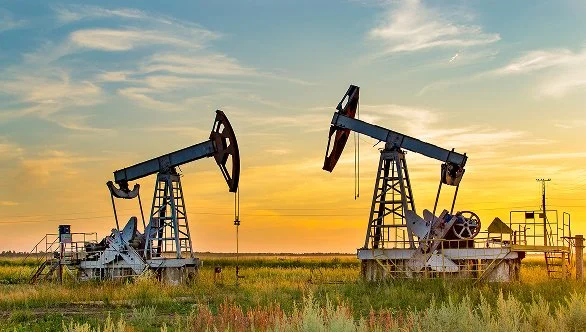
“Methane mitigation is too expensive for small- and mid-sized oil and gas companies.”
### False
There is a wide range of cost-effective solutions available, starting at just $300 for inspections. Studies show that oil and gas companies often break even or are more profitable due to methane mitigation, as they’re wasting less product.
-
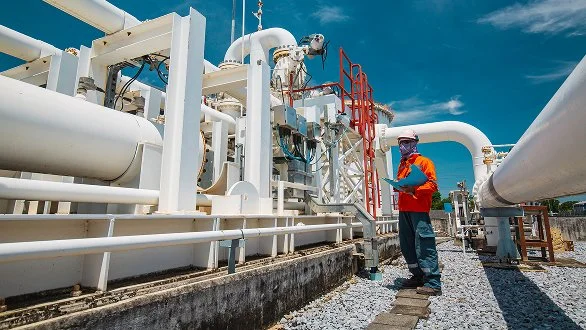
“Methane emission regulation will hurt the economy.”
### False
Constant rollbacks create regulatory instability, thereby inhibiting the oil and gas industry from long-term economic planning.
-
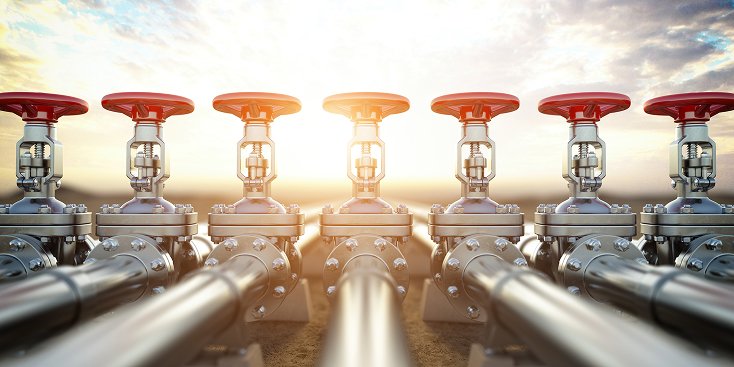
“You can either regulate and protect public health, or deregulate and protect the economy.”
### False
Bringing down emissions protects the public while allowing the economy to grow. By reducing methane waste, you ensure there’s more product to sell while creating more U.S.-based jobs.
HOW TO GET INVOLVED
By 2033, the methane mitigation market is expected to hit $16.8 billion.
Up from $3.4 billion in 2025—creating countless high-paying, U.S.-based jobs, spurring economic growth, and increasing the domestic supply of oil and natural gas.